The idea of Apple Teleport has attracted attention among technology enthusiasts who are curious about the future of digital experiences, virtual reality, and advanced computing. Although Apple has not officially announced a teleportation device that can physically transport people from one place to another, the concept connects strongly with Apple’s current work in spatial computing, augmented reality, artificial intelligence, and immersive technology.
Apple has always focused on changing how people interact with technology. From the iPhone and Apple Watch to Apple Vision Pro, the company has introduced products that combine hardware, software, and user experience in new ways. The idea behind Apple Teleport represents a future where digital environments feel more realistic, allowing users to experience places, events, and interactions as if they were physically present.
Modern technology cannot create true human teleportation yet, but advancements in virtual reality, 3D environments, high-speed networks, and spatial computing are bringing a similar experience closer. Apple’s developments in immersive technology provide a glimpse into how future devices may transform communication, entertainment, education, and digital travel.
Understanding the Concept of Apple Teleport
Apple Teleport is not an official Apple product or service, but the term is often used to describe the possibility of Apple creating technology that delivers a teleport-like experience. This idea is connected to the way modern devices can capture real-world locations and recreate them digitally. Instead of moving a person physically, future technology could allow users to feel present in another location through advanced visual, audio, and interactive systems.
The concept is closely related to Apple’s spatial computing vision. With devices such as Apple Vision Pro, users can enter immersive digital environments where virtual objects appear integrated with the real world. This technology combines cameras, sensors, artificial intelligence, and powerful processors to create experiences that feel more natural and interactive.
Many people imagine Apple Teleport as a futuristic version of travel where users could instantly visit distant places. While physical teleportation remains science fiction, digital teleportation through virtual environments is already developing. Users can explore museums, attend virtual meetings, watch events, and experience distant locations through immersive platforms.
Apple Vision Pro and the Future of Teleportation Experiences
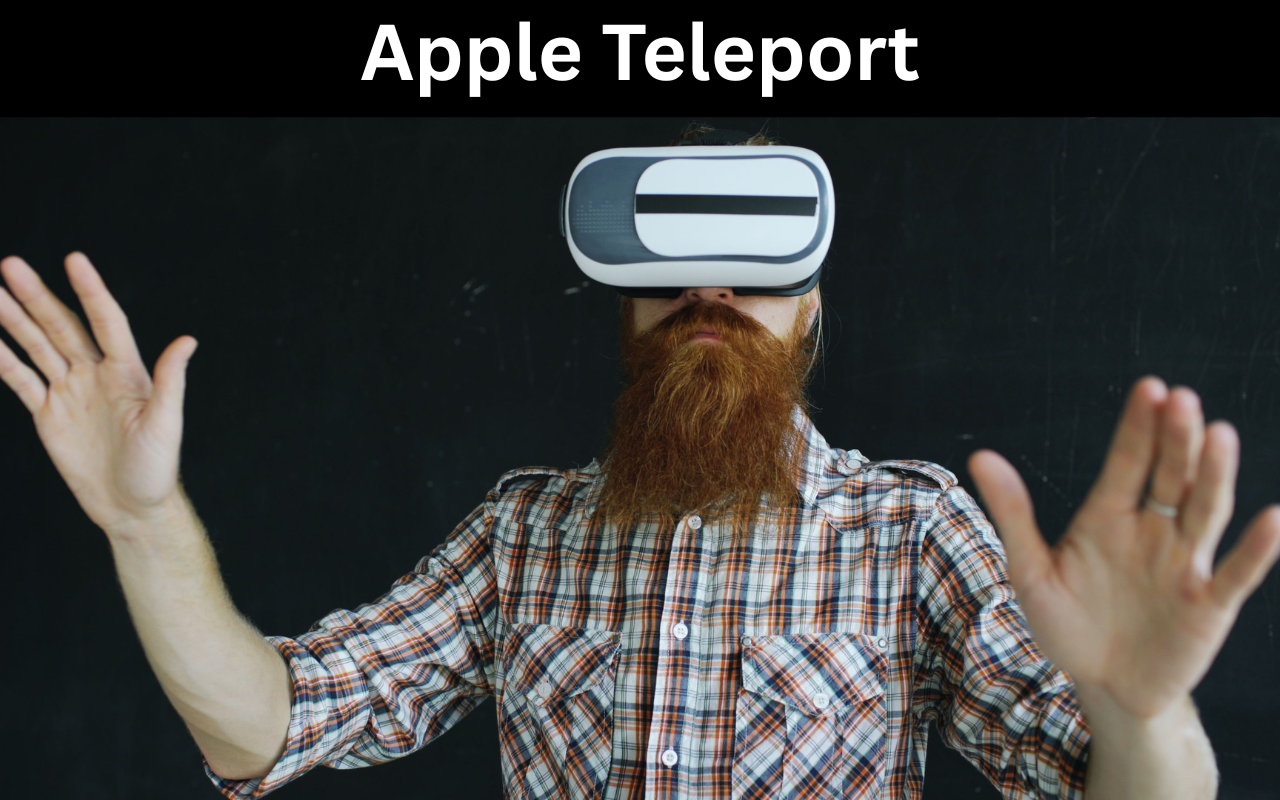
Apple Vision Pro is one of the biggest steps toward creating teleport-like digital experiences. Released as Apple’s first spatial computing device, it allows users to interact with digital content using their eyes, hands, and voice. The device creates a mixed reality environment where digital elements appear around the user in a realistic way.
The technology behind Apple Vision Pro includes advanced cameras, spatial audio, high-resolution displays, and the M2 and R1 chips. These features allow the device to process information quickly and create a detailed understanding of the user’s surroundings. This capability is important for future virtual teleportation experiences because realistic digital environments require accurate movement tracking and environmental awareness.
Through spatial computing, users may eventually experience remote locations in a much deeper way. A person could potentially attend a virtual conference, explore a famous landmark, or experience a live event from another country while sitting at home. This type of digital presence is one of the closest forms of teleportation technology currently available.
How Spatial Computing Creates a Teleport-Like Experience
Spatial computing is the foundation behind many future technologies connected with Apple Teleport. Unlike traditional screens, spatial computing creates interactive digital spaces that surround users. Instead of looking at a flat image, people can move around and interact with virtual objects as if they exist in their environment.
Apple’s approach to spatial computing focuses on making digital experiences more realistic and natural. The combination of augmented reality, virtual reality, and artificial intelligence allows technology to understand the user’s actions and respond instantly. This creates a feeling of being transported into another environment.
For example, a future version of Apple’s immersive technology could allow someone to explore a city, attend a classroom, or visit a workplace virtually. Advanced cameras and 3D scanning could capture real locations and recreate them digitally. With improvements in internet speed and processing power, these experiences may become increasingly realistic.
The Role of Augmented Reality in Apple Teleport Technology
Augmented reality plays an important role in the future of Apple’s immersive technology. Unlike virtual reality, which completely replaces the real world with a digital environment, augmented reality adds digital information on top of the physical world. Apple has invested heavily in AR technology through its devices, software tools, and developer platforms.
Apple’s ARKit allows developers to create augmented reality applications for iPhone and iPad. These applications can measure spaces, place digital objects in real environments, and create interactive experiences. These developments show how Apple is building the foundation for more advanced digital experiences.
In the future, AR technology could become a major part of teleport-like experiences. People may use Apple devices to see remote locations, communicate with realistic digital avatars, or interact with virtual versions of real-world places. These developments could change how people work, learn, shop, and communicate.
Digital Teleportation and Virtual Travel Possibilities
One of the most exciting possibilities connected with Apple Teleport is virtual travel. Digital teleportation could allow people to explore destinations without physically traveling. Using immersive devices, users could experience natural landscapes, historical locations, and cultural events from anywhere in the world.
The travel industry could benefit significantly from this technology. Hotels, tourism companies, and museums could create realistic virtual experiences that allow visitors to preview destinations before making decisions. People who cannot travel because of distance, cost, or physical limitations could experience places in new ways.
Virtual travel does not replace traditional travel, but it creates new opportunities. A person could visit a location digitally before planning a real trip or experience places that may otherwise be difficult to reach. Apple’s focus on high-quality design and user experience makes it a potential leader in creating realistic digital environments.
Quantum Teleportation and Apple’s Future Technology
Quantum teleportation is another concept often connected with discussions about future teleportation technology. However, quantum teleportation does not mean moving people or objects instantly from one place to another. Instead, it involves transferring quantum information between particles using principles of quantum physics.
Although quantum teleportation is an important area of scientific research, it is very different from the teleportation shown in science fiction movies. Current technology cannot teleport humans, animals, or physical objects. The process is focused on information transfer at the quantum level.
Apple has not announced a quantum teleportation project, but future advances in computing, artificial intelligence, and communication technology could influence the development of next-generation devices. As technology continues to evolve, concepts that once seemed impossible may become part of future digital experiences.
The Future of Apple Teleport and Immersive Technology
The future of Apple Teleport will likely depend on improvements in several areas, including artificial intelligence, wearable devices, faster internet connections, and advanced sensors. Apple’s history shows that the company often combines existing technologies into products that create new experiences for users.
Future Apple devices may become smaller, lighter, and more powerful while offering more realistic digital interactions. Improvements in display quality, spatial audio, and AI-generated environments could make virtual experiences feel almost identical to real-world experiences.
The development of immersive technology could impact many industries. Healthcare professionals could use realistic simulations for training, students could attend virtual classrooms, and businesses could create more engaging remote collaboration experiences. These possibilities demonstrate why teleport-like technology continues to attract interest.
Apple Teleport: Reality Versus Science Fiction
Many discussions about Apple Teleport create excitement because they combine real technology with futuristic imagination. However, it is important to understand the difference between current innovations and science fiction ideas. Apple has developed advanced tools for creating immersive experiences, but the company has not created a machine that physically teleports people.
Today’s closest version of teleportation is digital presence. Through devices like Apple Vision Pro and other immersive platforms, people can experience remote environments in increasingly realistic ways. These technologies represent a new form of connection rather than traditional transportation.
As technology continues to advance, the boundary between physical and digital experiences may become less noticeable. While true teleportation remains far away, Apple’s work in spatial computing provides a vision of how people may interact with the world in the future.
Read More: Information About Foxtpax Software: Features, Working Process, Uses, and Technology Insights
Conclusion
Apple Teleport represents an exciting idea that combines futuristic imagination with real technological progress. Although Apple has not introduced a physical teleportation system, the company’s advancements in spatial computing, augmented reality, and immersive technology are creating experiences that feel similar to digital teleportation.
Apple Vision Pro and related technologies show how users can interact with virtual environments in more natural ways. From virtual travel and remote communication to education and entertainment, teleport-like experiences may become an important part of the digital future.
The journey toward true teleportation is still beyond current technology, but Apple’s focus on innovation continues to push the possibilities of human interaction with digital worlds. As artificial intelligence, AR, VR, and computing power continue to improve, the future may bring experiences that make the idea of Apple Teleport closer to reality than ever before.