
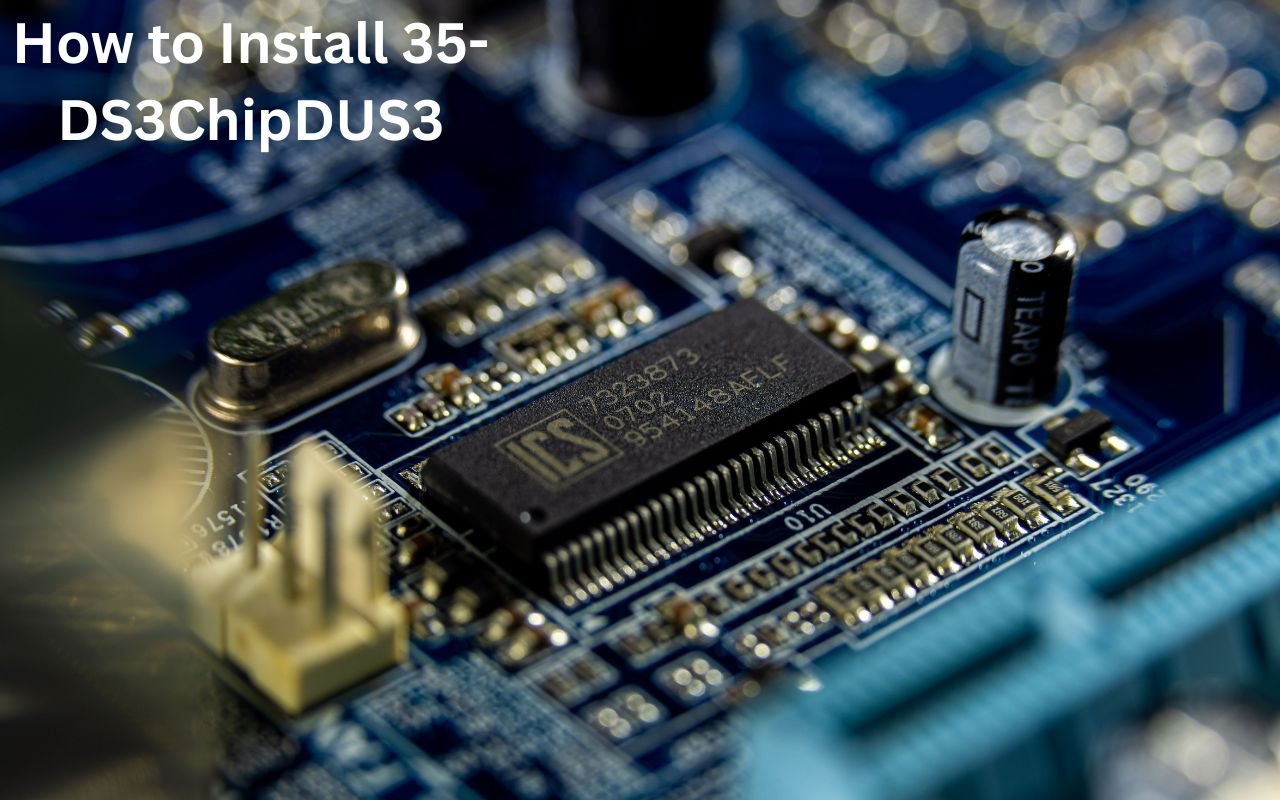
Installing a new component, software package, or system file can sometimes feel confusing, especially when clear instructions are not easily available. Many users searching for how to install 35-DS3ChipDUS3 are looking for a simple explanation that helps them understand the installation process, prepare their system correctly, and avoid common mistakes.
Before starting the installation, it is important to understand that proper preparation plays a major role in success. Checking compatibility, using the correct files, following the recommended process, and verifying the installation afterward can prevent many issues. Whether you are installing 35-DS3ChipDUS3 for a device, system component, or technical setup, following a careful approach will help ensure a smoother experience.
This guide explains the complete installation process, preparation requirements, troubleshooting methods, and safety considerations to help users complete the setup correctly.
Understanding 35-DS3ChipDUS3 Before Installation
Before installing 35-DS3ChipDUS3, users should first understand what they are working with. Technical names like this can sometimes refer to different types of components, including hardware-related modules, software packages, drivers, or configuration files depending on the source where they are provided.
The purpose of identifying the exact version and source is to make sure that the installation process matches your system requirements. Installing the wrong package or an incompatible version can create errors, prevent proper operation, or cause the system to fail in recognizing the component.
A successful installation does not only depend on following steps but also on confirming that the component is suitable for your device or operating environment. Always check available documentation, system details, and compatibility information before beginning the setup.
Preparing Your System for 35-DS3ChipDUS3 Installation
Preparation is one of the most important parts of installing any technical component. Many installation problems happen because users skip basic checks before starting the process.
First, make sure your device has enough storage space and stable power during installation. If the installation involves system-level changes, interruptions can lead to incomplete setup or corrupted files.
It is also recommended to create a backup of important information before making major system changes. Although many installations complete without problems, having a backup provides additional protection if unexpected errors occur.
Before installation, close unnecessary programs running in the background. Some applications can interfere with installation processes by using system resources or blocking required permissions.
Checking your operating system version, hardware specifications, and existing drivers can also help prevent compatibility issues.
Requirements Needed for Installing 35-DS3ChipDUS3
The exact requirements may vary depending on the purpose of 35-DS3ChipDUS3, but general technical preparation is usually required for a successful setup.
A compatible system environment is the first requirement. The device or operating system should support the component being installed. Using outdated systems or unsupported hardware may result in installation failures.
The correct installation package is another important requirement. Users should always obtain files from reliable sources and avoid unknown downloads because modified or unofficial files may contain security risks.
Administrator permissions may also be required during installation. Many system-level components need permission to create folders, modify settings, or install required drivers.
A stable internet connection can be helpful if additional files, updates, or dependencies are required during the setup process.
How to Install 35-DS3ChipDUS3 Step by Step
The installation process begins with preparing the correct installation files. After confirming that you have the right version, locate the setup file or package associated with 35-DS3ChipDUS3.
Before opening the installer, review any included instructions or documentation. Some technical components require specific installation orders or additional drivers before the main setup can be completed.
Start the installation by running the setup file with the required permissions. Follow the instructions displayed on the screen and carefully review each option before continuing.
During the setup process, avoid changing advanced settings unless you understand their purpose. Default installation settings are usually recommended because they are designed for standard compatibility.
Once the installation completes, restart your system if requested. Restarting allows the operating system to properly load new components, drivers, or configuration changes.
After restarting, check whether 35-DS3ChipDUS3 has been successfully installed and recognized by your system.
Verifying the Successful Installation of 35-DS3ChipDUS3
After completing the installation process, verification is an important final step. Many users assume installation is complete after clicking the finish button, but checking system recognition helps confirm everything is working correctly.
Look for signs that the component has been properly installed. Depending on the type of installation, this may include checking system settings, connected devices, installed programs, or configuration panels.
If the component appears correctly and no warning messages are displayed, the installation is likely successful.
Testing the functionality of the installed component is also recommended. A successful installation should allow the related device, software, or system feature to operate normally without errors.
Regular updates may also improve performance and compatibility, so keeping related files updated can help maintain stability.
Common Problems During 35-DS3ChipDUS3 Installation
Although installation is usually straightforward, users may experience different problems during the process. Understanding common issues can make troubleshooting easier.
One common problem is installation failure. This can happen because of incorrect files, insufficient permissions, incompatible systems, or missing dependencies.
Another issue is when the system does not recognize 35-DS3ChipDUS3 after installation. In many cases, restarting the device, checking connections, or reinstalling required drivers can solve this problem.
Users may also experience error messages during setup. These errors often provide clues about the cause of the problem. Reading the error carefully can help identify whether the issue relates to compatibility, permissions, or missing files.
If installation problems continue, removing the incomplete installation and starting the process again with the correct files can often resolve the issue.
How to Fix 35-DS3ChipDUS3 Installation Errors
When installation errors occur, the first step is to identify the reason behind the failure. Avoid repeatedly installing the same package without checking the cause because this may create additional conflicts.
Start by confirming that the installation files are complete and not damaged. Corrupted files are a common reason for failed installations.
Next, check whether your system meets the required specifications. Older operating systems, missing updates, or unsupported hardware can prevent successful installation.
Running the installation as an administrator may solve permission-related problems. Some components cannot make necessary system changes without elevated access.
Updating existing drivers and system software can also improve compatibility. In some cases, conflicts with previous versions may require removing old files before installing the new component.
If problems remain, reviewing official documentation or technical support resources related to your specific system can provide additional solutions.
Safety Tips Before Installing 35-DS3ChipDUS3
Safety should always be considered when installing unknown or technical components. Downloading files from unreliable websites can expose your system to unwanted software or security risks.
Always verify the source of installation files before using them. Avoid modified packages, suspicious installers, or files that request unnecessary permissions.
Keeping your antivirus and security software active during installation adds an extra layer of protection.
Users should also avoid changing advanced system settings without understanding their purpose. Incorrect changes can affect system performance and create additional problems.
Following safe installation practices not only protects your device but also improves the chances of a successful setup.
Maintaining 35-DS3ChipDUS3 After Installation
After installation is complete, proper maintenance helps keep the component working effectively. Regularly checking for updates, monitoring performance, and maintaining system health can prevent future problems.
If new versions become available, updating carefully can improve stability and compatibility. However, users should always confirm that updates match their specific system requirements.
Keeping records of installation files, settings, and configuration details can also be helpful if the component needs to be reinstalled later.
Good maintenance habits reduce the chances of future errors and help ensure long-term reliability.
Read More: Discount Code TTweakFlight Guide for Cheap Travel Savings
Conclusion
Learning how to install 35-DS3ChipDUS3 becomes much easier when the process is approached carefully and systematically. The most important steps include understanding the component, preparing your system, using the correct installation files, following the setup process properly, and verifying that everything works after installation.
Installation problems usually occur because of compatibility issues, incorrect files, missing permissions, or incomplete preparation. By following safe practices and troubleshooting carefully, users can avoid common mistakes and complete the setup successfully.
A careful installation process not only helps 35-DS3ChipDUS3 work correctly but also improves overall system stability and reliability. Always prioritize compatibility, security, and proper verification whenever installing any technical component.